Learn about the fascinating history of Dallas Texas, from its early days to its development into a vibrant community.
Long before the arrival of European settlers, the area now known as Dallas was home to Native American tribes. The Caddo people lived in East Texas for centuries, building villages, farming the fertile soil, and trading across the region.
The land around the Trinity River, with its rich wildlife and strategic location, became an attractive area for exploration and settlement as Europeans moved westward. Spanish explorers passed through in the 16th and 17th centuries, though no permanent settlement was established at the time.
The modern story of Dallas begins with John Neely Bryan, a lawyer and entrepreneur from Tennessee. In 1839, Bryan arrived in the area while scouting land for a trading post. Recognizing the value of the Trinity River crossing and the fertile surrounding lands, he returned in 1841 to establish a permanent settlement.
Bryan laid out a townsite and built a single‑room cabin, which served as his home, law office, and trading post. His vision was to create a center for trade with Native Americans and settlers moving into the region. This cabin — often referred to as the city’s “birthplace” — marked the beginning of what would become Dallas.
One of the enduring curiosities of the history of Dallas is the origin of its name. Despite much speculation, the exact reason Bryan chose the name remains uncertain.
Some believe he named it after George Mifflin Dallas, U.S. Vice President under James K. Polk. Others suggest it was named for Dallas County, Alabama, or possibly a friend or relative of Bryan’s. The truth remains a bit of a mystery — but the name stuck, and the city grew.
In 1846, Texas became the 28th state of the Union, and Dallas County was established that same year. The settlement of Dallas was chosen as the county seat, helping to cement its status as a growing hub of governance and commerce.
Over the next two decades, the city developed as a center for farming, ranching, and trade, with its population slowly increasing. By the time the Civil War broke out, Dallas was a modest yet thriving community.
The arrival of the railroads in the 1870s transformed Dallas almost overnight. The city’s leaders worked hard to attract both the Houston and Texas Central Railroad and the Texas and Pacific Railway.
By 1873, Dallas became a major railway hub, connecting it to markets across Texas and beyond. This development spurred an economic boom, attracting merchants, entrepreneurs, and immigrants eager to seize new opportunities.
During this era, Dallas began to establish itself as a regional leader in cotton production, manufacturing, and banking, setting the stage for future growth.
In the late 19th and early 20th centuries, Dallas became known as the cotton capital of the world, thanks to its strategic location, rail access, and entrepreneurial spirit.
By the early 1900s:
Dallas hosted the largest inland cotton market in the U.S.
The city became a hub for banking and insurance, earning a reputation as a financial center.
The discovery of oil in nearby East Texas in the 1930s brought a new wave of prosperity, with Dallas serving as a headquarters for energy companies and investors.
This period of growth solidified Dallas’s place as a powerful economic engine for Texas and the Southwest.
As Dallas prospered, it began to develop culturally and architecturally. Skyscrapers, theaters, and churches transformed the skyline, while cultural institutions and schools added depth to the city’s identity.
Notable milestones included:
The founding of Southern Methodist University (SMU) in 1911, establishing Dallas as a center for higher education.
The opening of the Adolphus Hotel in 1912, which became a symbol of luxury and progress.
The growth of neighborhoods like Highland Park and Oak Cliff, reflecting the city’s expanding middle and upper classes.
Dallas also became a center for arts, music, and civic pride, showcasing both its Texan roots and cosmopolitan aspirations.
Like much of the country, Dallas faced challenges during the Great Depression of the 1930s. However, the city’s strong banking sector and the discovery of oil nearby helped soften the blow.
In 1936, Dallas hosted the Texas Centennial Exposition at Fair Park, an event that drew millions and boosted the local economy. The exposition left a lasting mark on the city, with many of the Art Deco buildings at Fair Park still standing today as cherished landmarks.
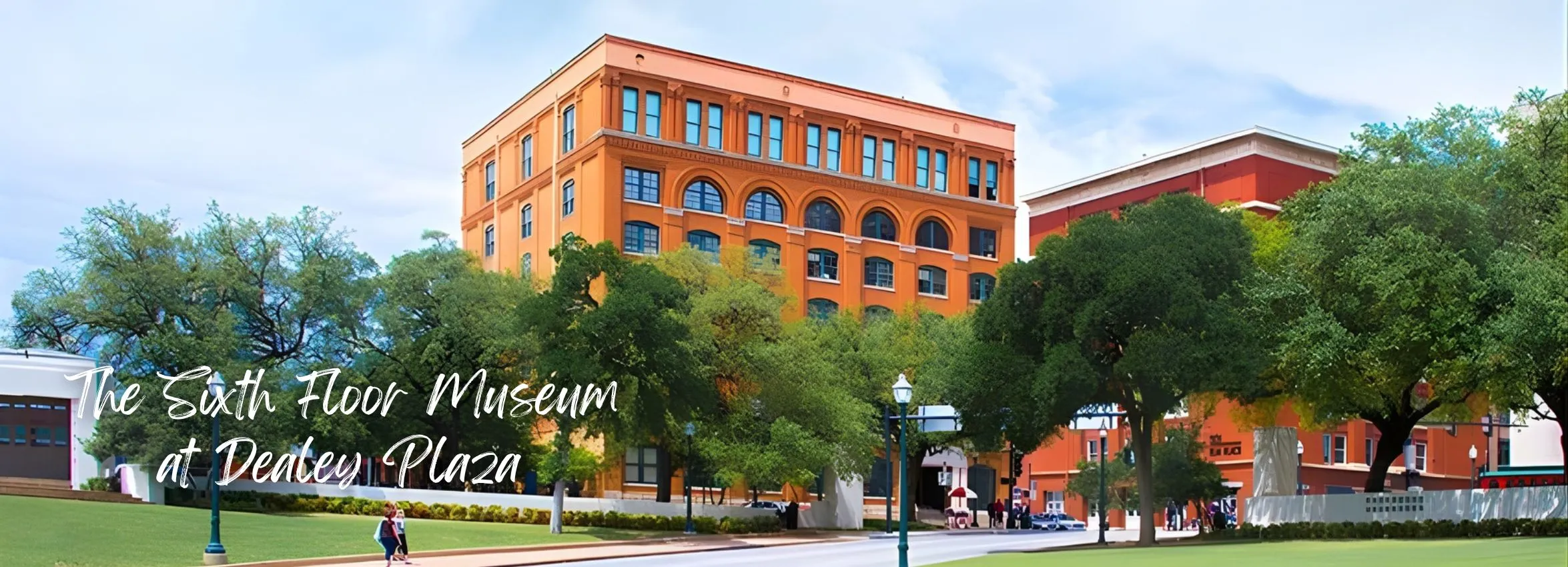
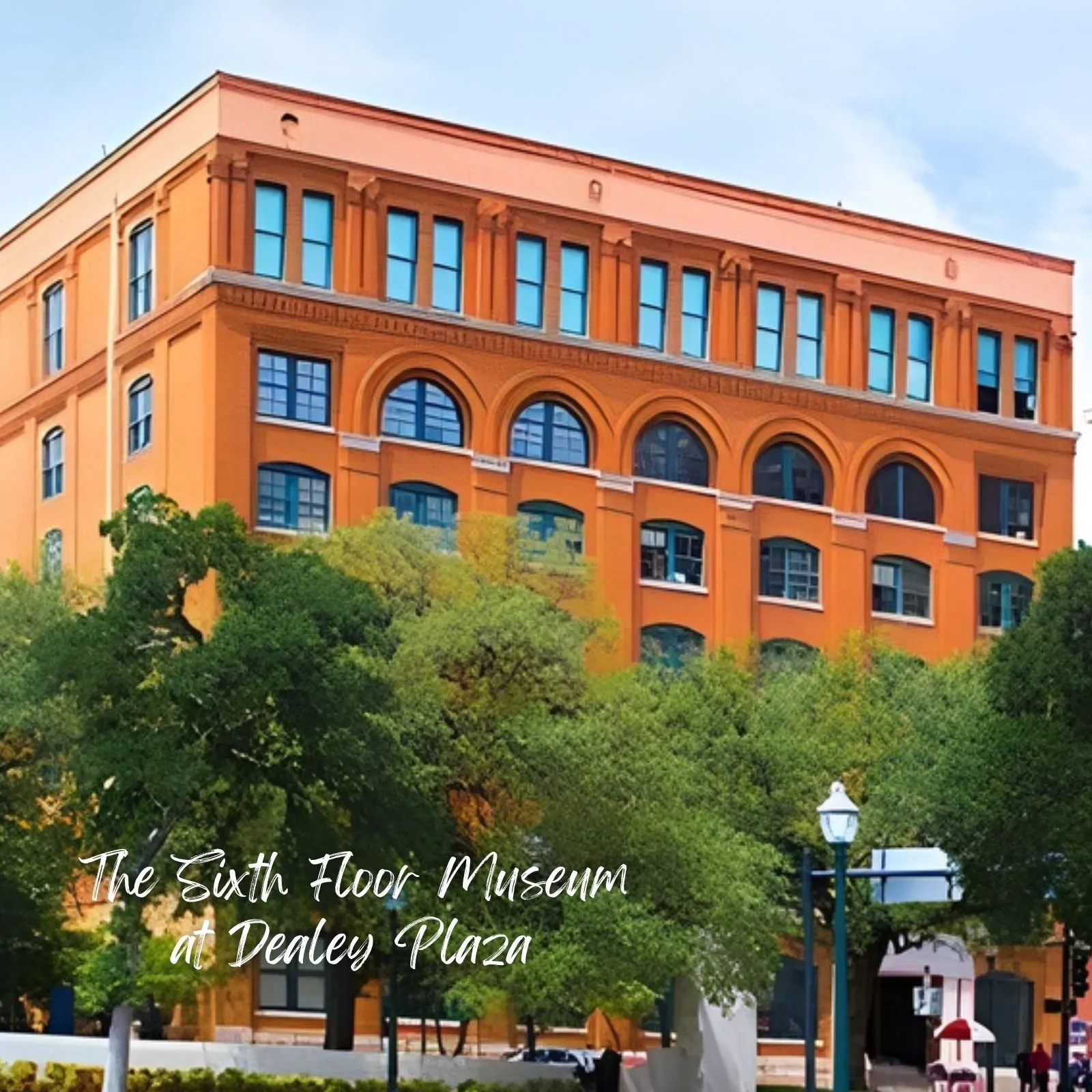
One of the darkest moments in Dallas’s history occurred on November 22, 1963, when President John F. Kennedy was assassinated while riding in a motorcade through Dealey Plaza.
This tragedy cast a shadow over the city and made headlines worldwide. Today, the Sixth Floor Museum at Dealey Plaza tells the story of that day, honoring Kennedy’s legacy and offering reflection on the events that shook the nation.
The 1960s and 1970s brought significant social and cultural change to Dallas. Like many Southern cities, it faced challenges over segregation and civil rights.
However, Dallas also saw progress:
African American leaders and activists pushed for equality in schools, businesses, and public spaces.
The city’s diverse communities began to gain more representation and influence in civic life.
Cultural events and festivals started to celebrate Dallas’s growing diversity.
This era laid the foundation for the inclusive, dynamic city Dallas strives to be today.
In recent decades, Dallas has continued to reinvent itself, embracing new industries and expanding its influence on the national and global stage.
Key developments include:
The growth of the Dallas/Fort Worth International Airport (DFW), one of the busiest airports in the world.
Becoming a hub for technology, healthcare, and telecommunications, earning the nickname “Silicon Prairie.”
Revitalization of downtown areas and neighborhoods, blending historic preservation with modern development.
Hosting major sporting events, conventions, and international visitors, reinforcing Dallas’s status as a world‑class city.
Today, Dallas boasts a diverse population, a thriving economy, and a vibrant cultural scene.
Part of what makes Dallas unique is its distinct neighborhoods, each reflecting a piece of the city’s history:
Deep Ellum: Once a hub for jazz and blues, now an arts and entertainment district.
Bishop Arts District: A revival of a historic area, now known for its boutiques and eateries.
Oak Cliff: Rich in history and cultural diversity.
Downtown and Uptown: Blending historic landmarks with sleek, modern towers.
Exploring these neighborhoods offers a tangible connection to Dallas’s past and present.
Dallas is home to numerous landmarks that preserve its history and celebrate its achievements:
Old Red Museum: Housed in the historic courthouse, showcasing Dallas’s heritage.
Dealey Plaza and the Sixth Floor Museum: Reflecting on the Kennedy assassination.
Fair Park: Home to Art Deco architecture and cultural events.
Pioneer Plaza: Featuring a dramatic cattle drive sculpture honoring the city’s roots.
These sites help tell the story of how a small settlement grew into a major metropolis.
Understanding the history of Dallas is more than just knowing dates and events — it’s about appreciating the ambition, resilience, and diversity that have shaped the city.
The challenges faced and overcome by the people of Dallas have forged a city that is proud of its heritage yet always looking forward. That spirit of innovation and inclusion continues to define Dallas in the 21st century.
From its beginnings as a remote trading post founded by John Neely Bryan to its emergence as a global city full of energy, opportunity, and culture, the story of Dallas, Texas is a testament to vision and determination.
Its history is written not just in buildings and events, but in the lives of countless individuals who dreamed big and worked hard to make Dallas what it is today.
As the city continues to grow and welcome new chapters, it remains a place where history is alive — in its landmarks, neighborhoods, and the proud spirit of its people.
So whether you’re strolling through Dealey Plaza, dining in Deep Ellum, or marveling at the skyline, you’re experiencing a city that remembers its past while building an even brighter future.
Return to Dallas Homepage