History of Bonham Texas begins with Fort Inglish, Bois d’Arc Creek, frontier settlement, county government, railroads, schools, politics, and preservation. The city sits in Fannin County, northeast of Dallas. Because of that location, Bonham became an important North Texas courthouse town.
Native peoples lived, hunted, traded, and traveled across this region before permanent Anglo settlement. Therefore, Bonham’s history began long before city streets.
Bois d’Arc Creek helped define early settlement patterns near Bonham. As a result, water, timber, and land attracted families.
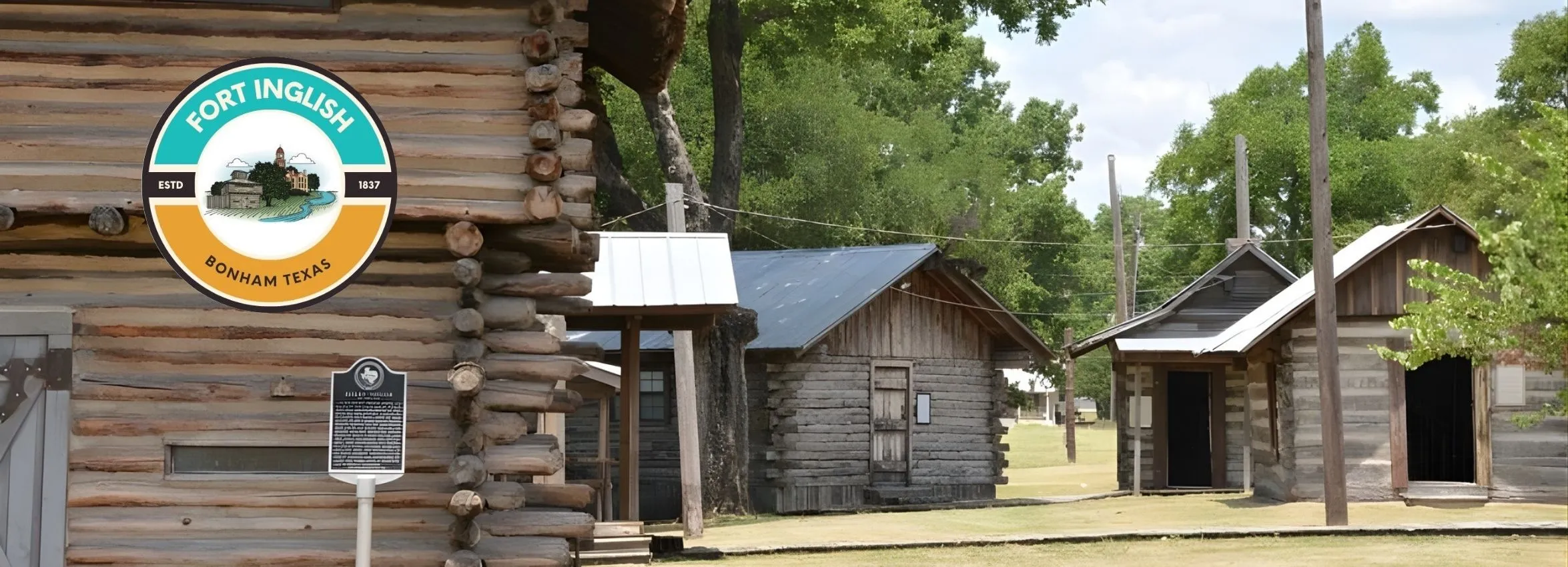
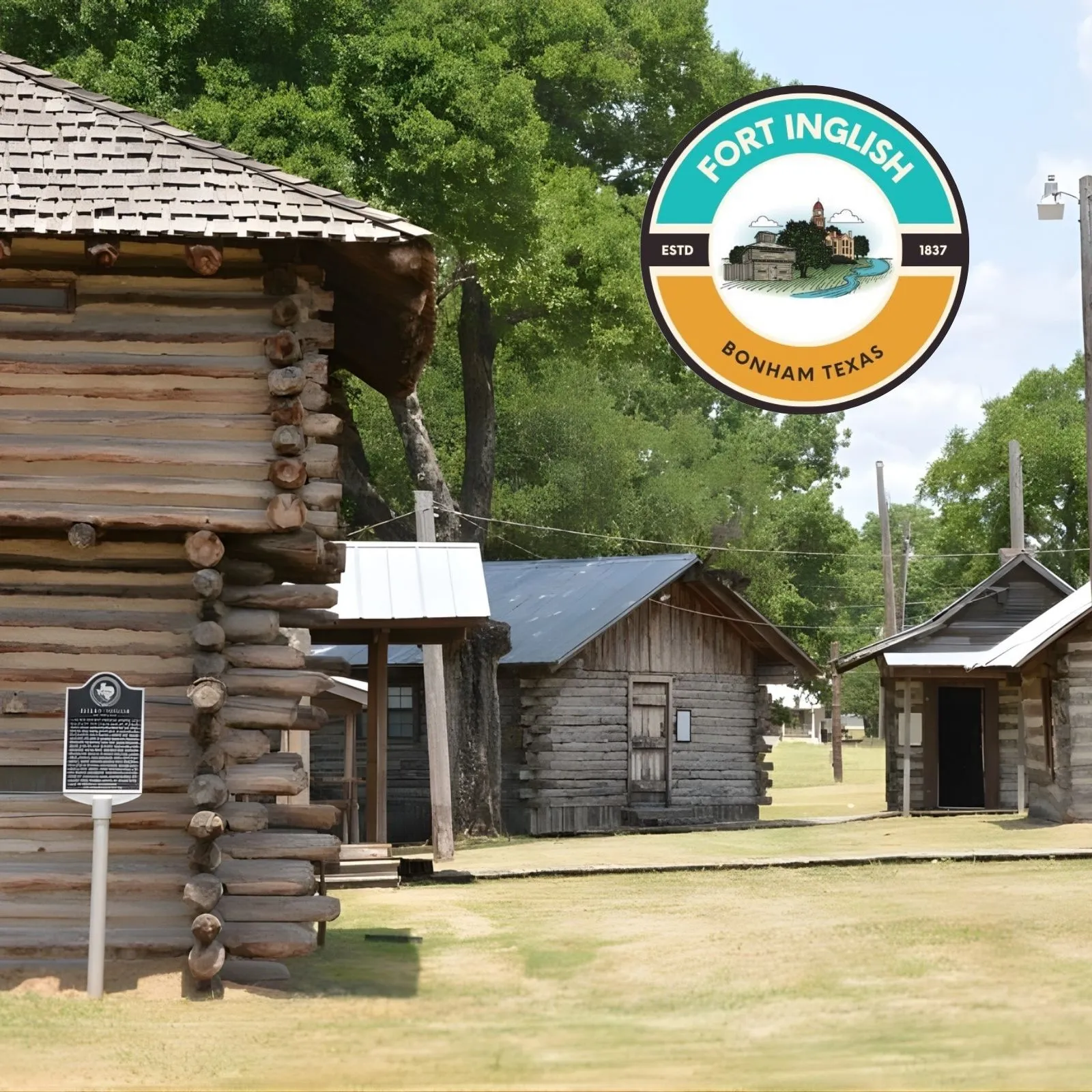
Bailey Inglish built Fort Inglish in 1837 near present-day Bonham. Because of that, the area gained early protection and identity.
The early settlement was first called Bois d’Arc. Therefore, its original name reflected local trees and creek geography.
The Republic of Texas named the community Bloomington in 1843. However, that name did not last very long.
The town was renamed Bonham for James Butler Bonham. As a result, the city became tied to Texas Revolution memory.
Bonham incorporated as a city in 1848. Therefore, local government gained stronger authority over streets, services, and public life.
Bonham became closely tied to Fannin County government. Additionally, courthouse activity brought records, courts, business, and visitors downtown.
Early roads connected Bonham with nearby settlements and trading routes. Because of that, the town became a useful stopping place.
Agriculture shaped Bonham’s early economy and daily life. Meanwhile, cotton, livestock, gardens, and local trade supported households.
During the Civil War, Bonham remained an agricultural center near Texas’s northern border. Still, wartime hardship affected local families.
After the war, Bonham faced political, economic, and social change. As a result, the community slowly rebuilt its economy.
The Texas and Pacific Railway reached Bonham in the 1870s. Therefore, shipping, travel, trade, and downtown activity increased.
Bonham’s square grew with stores, banks, offices, churches, and public buildings. Additionally, it became the city’s main gathering place.
Schools and colleges helped shape Bonham’s reputation as a learning center. Meanwhile, education gave families another reason to settle.
Local newspapers recorded elections, businesses, church news, deaths, and civic life. Because of that, Bonham’s past remains easier to trace.
Churches served as worship spaces, meeting places, and support networks. Therefore, they became important parts of Bonham’s community fabric.
The Steger Opera House brought performances and public entertainment downtown. As a result, Bonham gained a stronger cultural life.
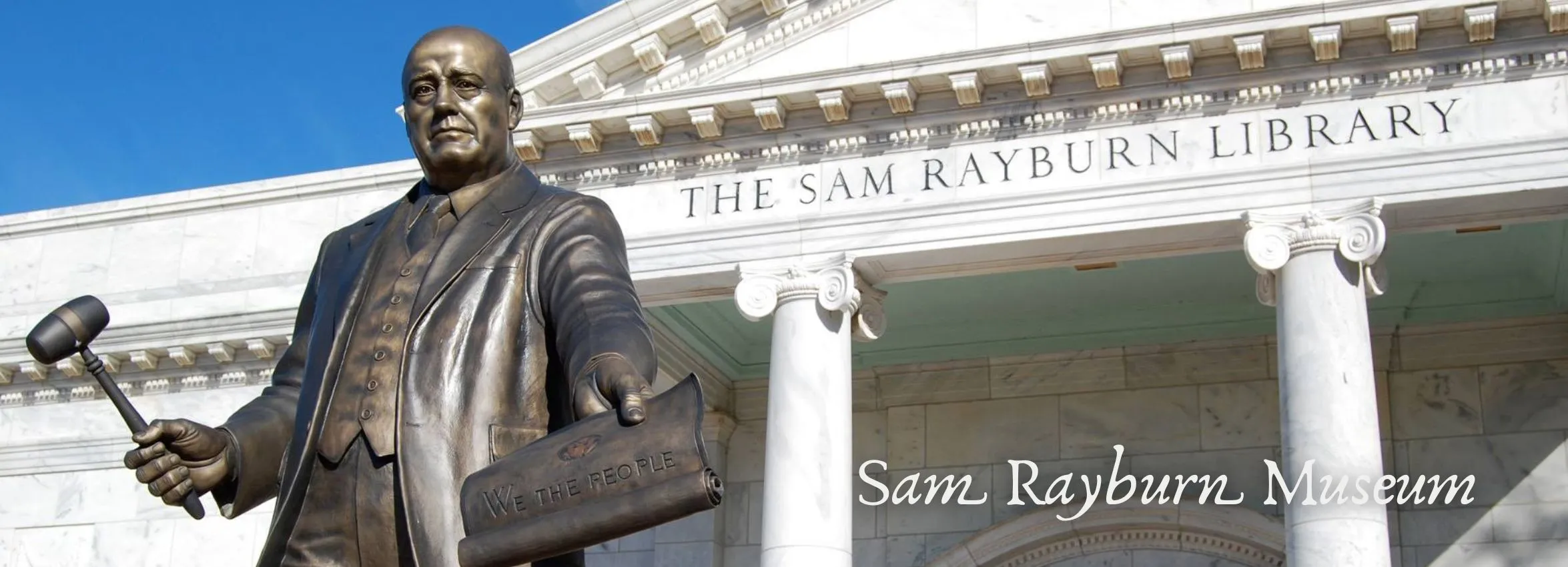
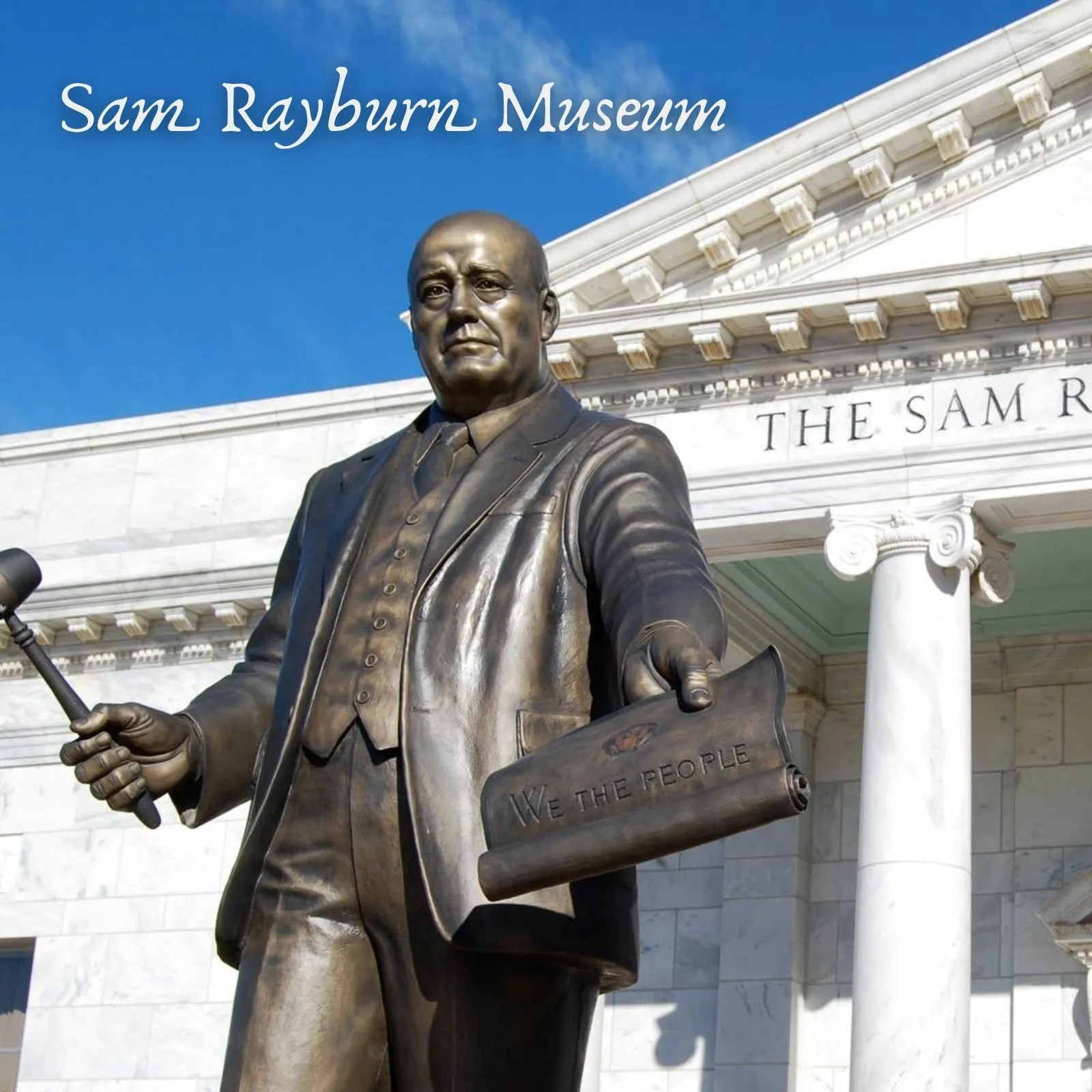
Sam Rayburn lived near Bonham and represented Texas in Congress for decades. Because of that, Bonham became linked to national politics.
The Sam Rayburn House preserves his home, furnishings, photographs, and public career. Today, it remains a major historic site.
The Sam Rayburn Museum documents his long congressional career. Additionally, it connects Bonham with twentieth-century American government.
During World War II, Bonham supported military activity and wartime training. Meanwhile, Jones Field and a prisoner-of-war camp shaped local memory.
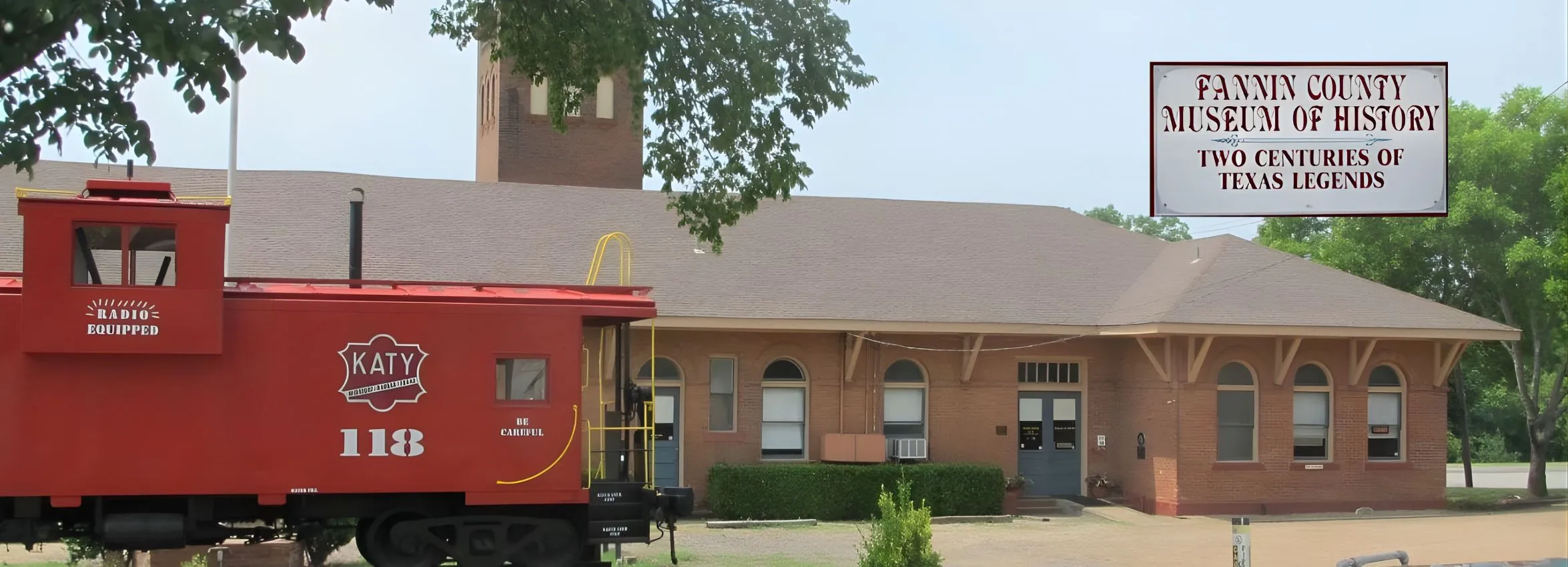
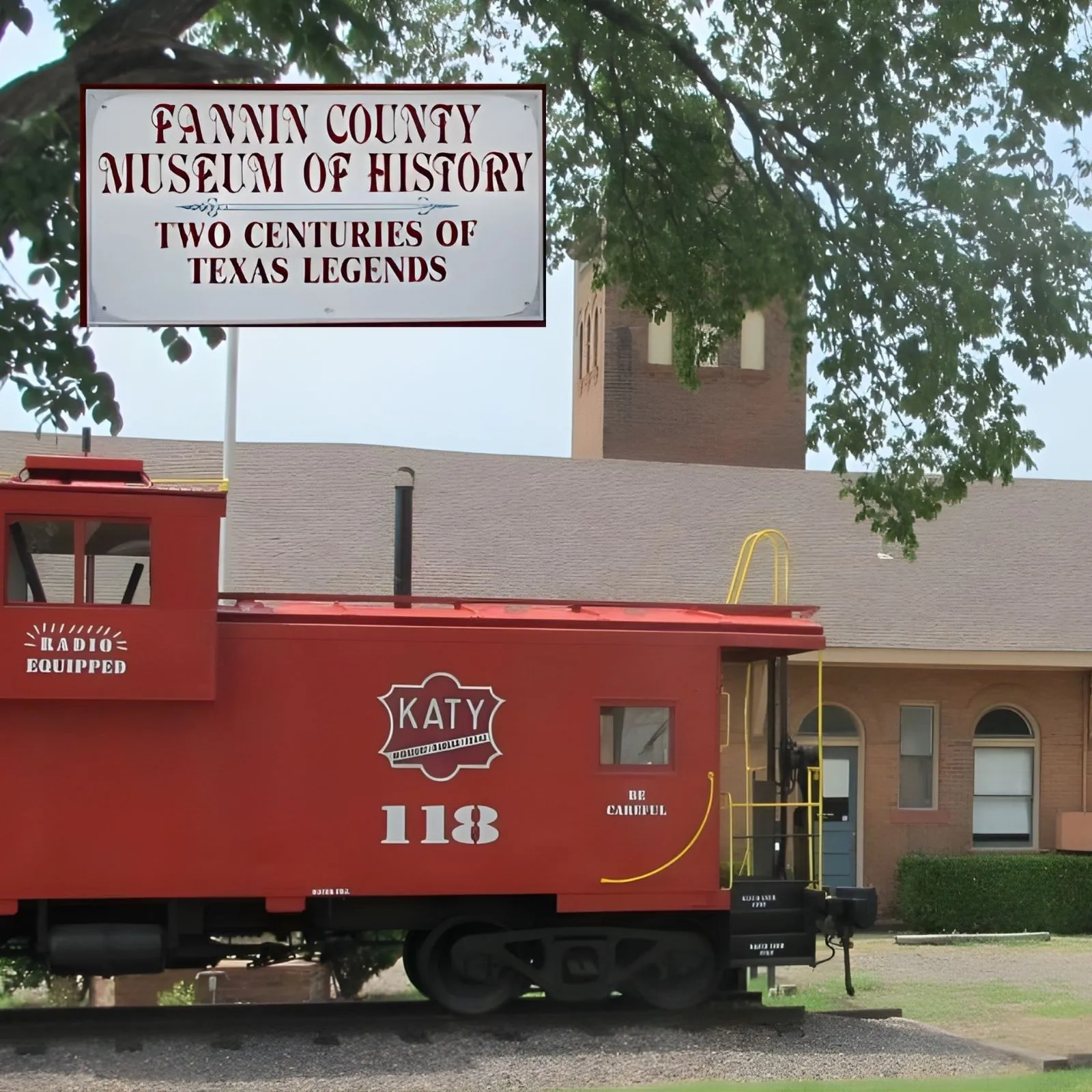
The Fannin County Museum and Fort Inglish Village preserve local stories. Therefore, visitors can still explore Bonham’s frontier roots.
Historic buildings, markers, museums, and courthouse-square tours keep Bonham’s character visible. Still, preservation depends on local care.
Bonham continues serving as a county seat, hometown, and regional center. However, its frontier and courthouse history remain central.
Bonham’s history matters because it connects frontier defense, county government, railroads, education, politics, and preservation. Today, that story still shapes local pride.
City of Bonham Official Website
Use this for city departments, local services, meetings, parks, and community updates.
City of Bonham History Page
Use this for official history about Fort Inglish, Bois d’Arc, Bloomington, and incorporation.
City of Bonham Fort Inglish Village
Use this for visitor details, historical background, tours, and Fort Inglish information.
Texas State Historical Association: Bonham, TX
Use this for founding, railroads, population, Sam Rayburn, and local history background.
Texas Almanac: Bonham
Use this for quick facts, early names, Civil War notes, and regional context.
Portal to Texas History: A History of Bonham, Texas
Use this for detailed early history, municipal development, people, and businesses.
Fannin County Museum of History
Use this for exhibits, location details, hours, and local history research.
Sam Rayburn House State Historic Site
Use this for Rayburn’s home, tours, exhibits, and Texas Historical Commission information.
Sam Rayburn Museum
Use this for Rayburn’s political career, exhibits, archives, and museum background.
Fannin County Historical Commission
Use this for preservation work, marker research, and Fannin County history resources.
Texas Time Travel: Bonham
Use this for heritage tourism, museums, downtown history, and World War II notes.
Texas Historical Commission Atlas Search
Use this to search historic markers and recorded historic places near Bonham.