Austin, Texas is a city rich in history, blending its roots as a frontier settlement with its evolution into a modern cultural and political hub. From its early days along the Colorado River to its role as the state capital, Austin’s story is deeply connected to the broader history of Texas.
If you’re looking to explore the history of Austin, Texas, visiting the city’s top museums is one of the best ways to gain insight into its past. In this guide, we highlight three key museums that bring Austin’s history to life.
Austin was established in the 1830s and officially became the capital of the Republic of Texas in 1839. Originally named Waterloo, the city was later renamed in honor of Stephen F. Austin, often referred to as the “Father of Texas.”
Over time, Austin grew from a small frontier town into a center for government, education, and innovation. The presence of the University of Texas and state government institutions helped shape the city’s identity, while its creative culture added a unique dimension.
Today, Austin continues to evolve while preserving its historical landmarks and stories through museums and cultural institutions.
Located at 3038 W 35th St, the Texas Military Forces Museum focuses on the military history of Texas, covering conflicts from the early frontier period through modern times.
The museum features exhibits on the Texas Revolution, World War I and II, and more recent military operations. Visitors can view artifacts, uniforms, vehicles, and detailed displays that highlight the role of Texans in military history.
This museum provides a focused and educational experience for those interested in military history and the contributions of Texas service members.
Best for: History enthusiasts, military history, educational visits
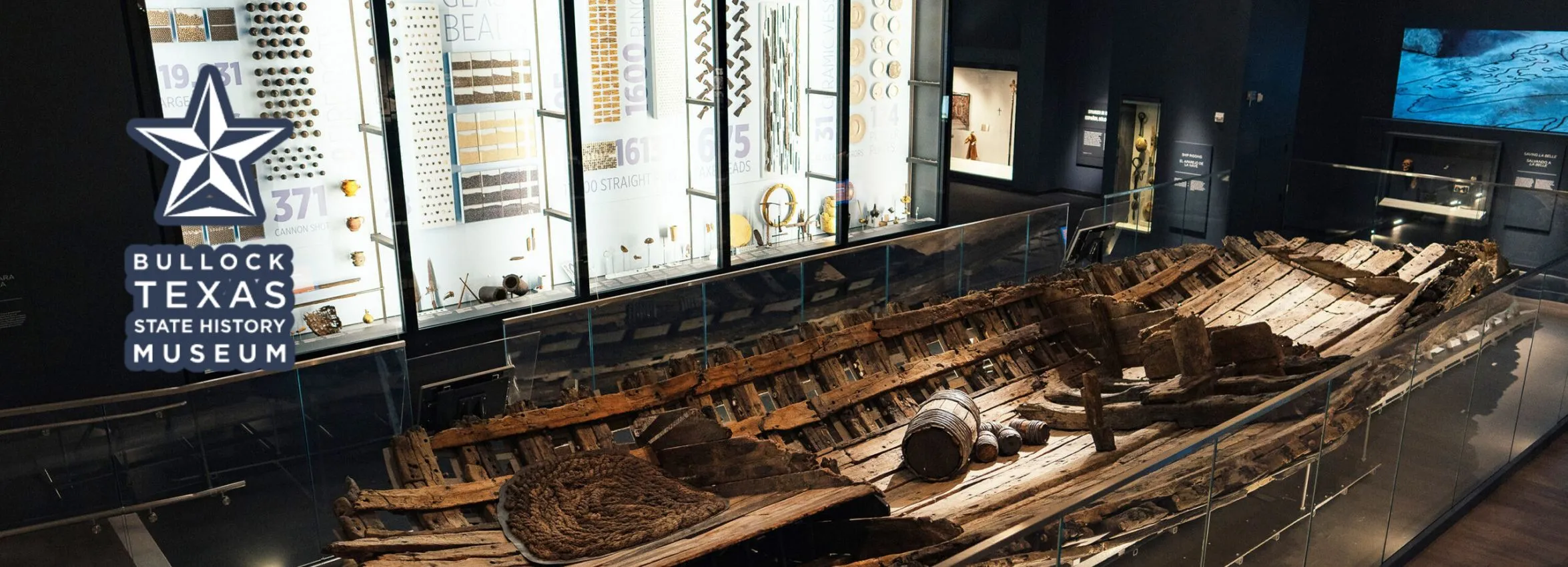
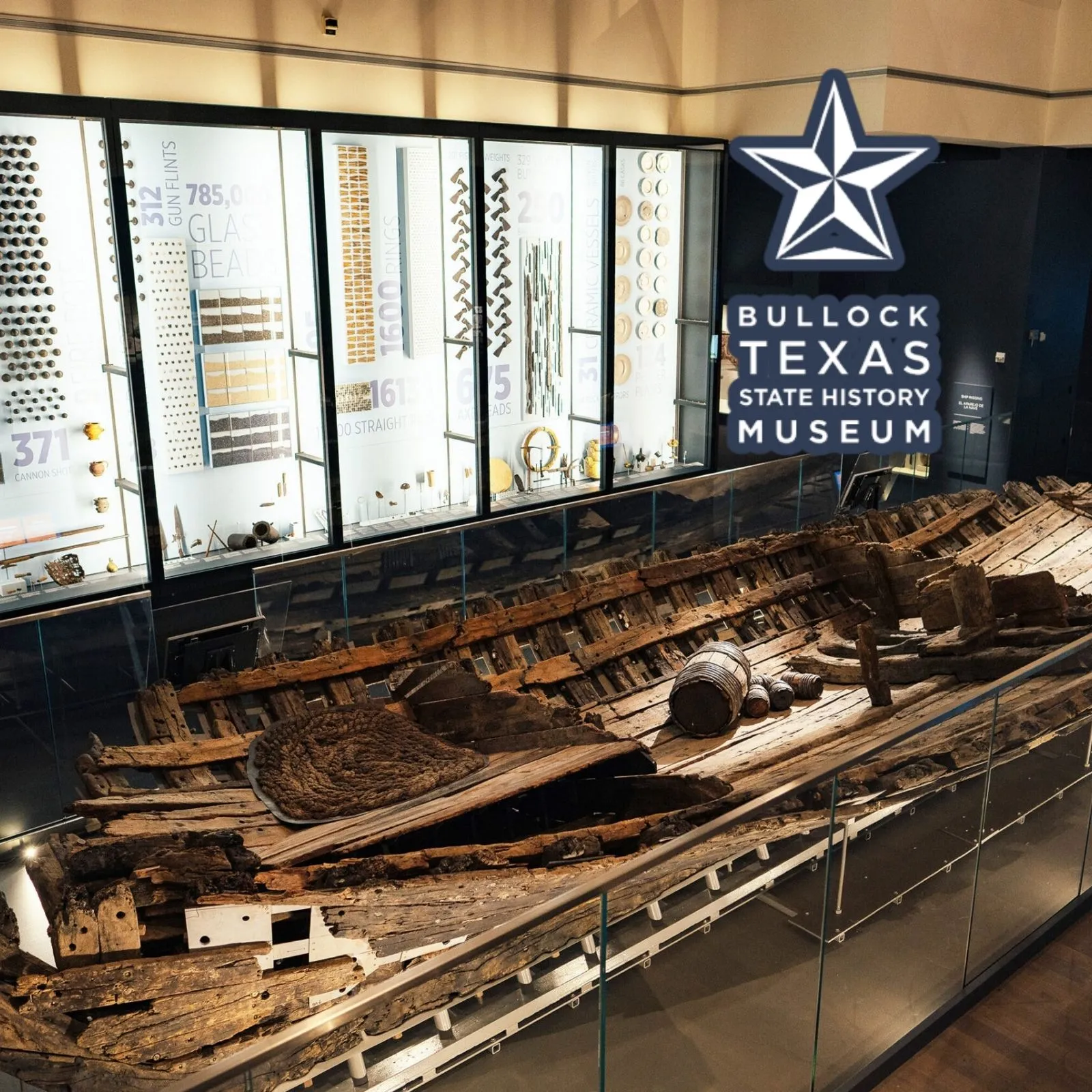
Located at 1800 Congress Ave, the Bullock Texas State History Museum offers an in-depth exploration of Texas history from its earliest days to the present.
The museum features engaging exhibits, artifacts, and multimedia presentations that cover topics such as early settlers, statehood, and economic development. It also includes an IMAX theater that enhances the learning experience.
The Bullock Museum provides a broad and accessible overview of Texas history, making it an essential stop for visitors who want to understand the state’s past and its impact on the present.
Best for: Families, interactive learning, comprehensive history
Located at 2313 Red River St, the LBJ Presidential Library is dedicated to the life and legacy of President Lyndon B. Johnson, the 36th President of the United States.
The library features exhibits on Johnson’s presidency, including civil rights legislation, the Great Society programs, and key moments in American history during the 1960s. Visitors can explore documents, recordings, and interactive displays.
The LBJ Presidential Library provides insight into a pivotal era in U.S. history and offers a deeper understanding of leadership and policy during a time of significant change.
Best for: U.S. history, politics, educational experiences
Austin’s museums offer a well-rounded perspective on both local and national history. By visiting multiple locations, you can gain a deeper appreciation for:
These institutions help preserve the stories that define Austin and Texas as a whole.
Austin’s history is an essential part of its identity, and its museums provide valuable opportunities to explore that story. From military heritage and state history to presidential leadership, the city offers a diverse range of educational experiences.
The Texas Military Forces Museum, Bullock Texas State History Museum, and LBJ Presidential Library each highlight different aspects of the past, making them must-visit destinations for anyone interested in the history of Austin, Texas.
Whether you’re a visitor or a local, exploring these museums is a meaningful way to connect with the people, events, and milestones that have shaped Austin into the city it is today.