Nestled along the scenic Gulf Coast, Rockport, Texas, is more than just a charming seaside town—it’s a place where centuries of history, resilience, and cultural transformation come together. From its early Native American roots to becoming a beloved coastal destination, Rockport has witnessed dramatic changes that have shaped its unique identity. Whether you’re a visitor drawn by its picturesque views or a history buff eager to learn more, this deep dive into Rockport’s past offers an enriching story worth telling.
Long before Rockport became a town, the region was home to native peoples like the Karankawa, a semi-nomadic tribe that thrived along the Texas Gulf Coast. These early inhabitants relied on fishing, shellfish, and hunting for survival, building temporary camps along the bays and inlets.
Evidence of their life—including midden mounds, stone tools, and fire pits—can still be found around Aransas Bay. Their deep spiritual connection to nature and the sea laid the groundwork for the area’s later identity as a fishing and coastal community.
By the early 1500s, Spanish explorers began navigating the Texas coastline. Although the Karankawa people had minimal direct contact with them initially, Spain eventually laid claim to the area as part of its North American empire.
Through the 1700s, missions and presidios (military forts) were established further inland, but the Aransas Bay region remained largely unsettled. However, these early claims set the stage for future land grants that would later facilitate Anglo-American colonization and eventually the founding of Rockport.
Rockport was officially established in 1867, shortly after the end of the Civil War. The town’s name comes from a rocky ledge that juts out into the bay, making it ideal for anchoring ships and building docks. It quickly became a hub for the booming cattle industry, thanks to its position along the Texas coast and proximity to ranches inland.
The construction of slaughterhouses, wharves, and packing facilities made Rockport an essential port for shipping beef to the eastern U.S. and even to Europe. At its peak, Rockport was among the largest beef-packing centers on the Gulf Coast.
In the late 1800s, cattle barons and entrepreneurs transformed Rockport into a bustling shipping town. Livestock was herded to the coast and loaded onto steamships, which departed for New Orleans and other major ports.
George W. Fulton, a key figure in Rockport’s growth, helped establish large-scale cattle operations and the Fulton Mansion, a now-iconic piece of Victorian architecture still standing today. The mansion is a symbol of the wealth and vision that drove the town during its economic boom.
As the cattle industry declined in the early 1900s, Rockport reinvented itself as a center for shipbuilding and commercial fishing. Oysters, shrimp, and redfish became the town’s new lifeblood, and boatyards began popping up along the waterfront.
The rise of the Aransas Pass Channel in nearby Port Aransas redirected some commercial shipping traffic, but Rockport maintained a strong fishing culture. Families passed down their knowledge of the sea through generations, making commercial and sport fishing a defining aspect of Rockport’s identity.
Although Rockport was not a major battlefield during the Civil War, its coastal location gave it strategic importance. Confederate and Union blockades often patrolled the Gulf Coast, and skirmishes at sea sometimes affected trade routes.
After the war, during the Reconstruction Era, many entrepreneurs saw opportunity in rebuilding and modernizing Texas towns, including Rockport. Freedmen, immigrants, and settlers all contributed to its growing population, helping it become Aransas County’s seat in 1871.
Rockport has faced numerous natural disasters, particularly hurricanes. Notably, the 1919 hurricane caused massive destruction, sweeping away homes, businesses, and much of the coastal infrastructure.
Yet time and again, the community rebuilt—each time stronger and more connected. The local motto, often unspoken but deeply understood, could be summarized as: “We don’t just live on the coast—we fight for it.”
In 2017, Hurricane Harvey tested this spirit once more. The storm, a Category 4 hurricane, made landfall in Rockport with devastating winds over 130 mph. Buildings were destroyed, trees uprooted, and lives forever changed.
But what followed was truly remarkable: neighbors helping neighbors, volunteers from across the country pouring in, and a massive rebuilding effort that reaffirmed Rockport’s unwavering heart.
Starting in the mid-20th century, Rockport began to pivot toward tourism and culture. Artists from across Texas and beyond discovered the town’s breathtaking coastal scenery, making it a hotspot for plein air painting, photography, and sculpture.
The establishment of the Rockport Center for the Arts in 1969 solidified its place as a cultural hub. Events like the Rockport Art Festival, held annually over the July 4th weekend, attract thousands of visitors and showcase the town’s creative spirit.
Eco-tourism has also become a vital part of Rockport’s modern appeal. Birdwatchers, in particular, are drawn to the region thanks to the nearby Aransas National Wildlife Refuge, home to the rare whooping crane.
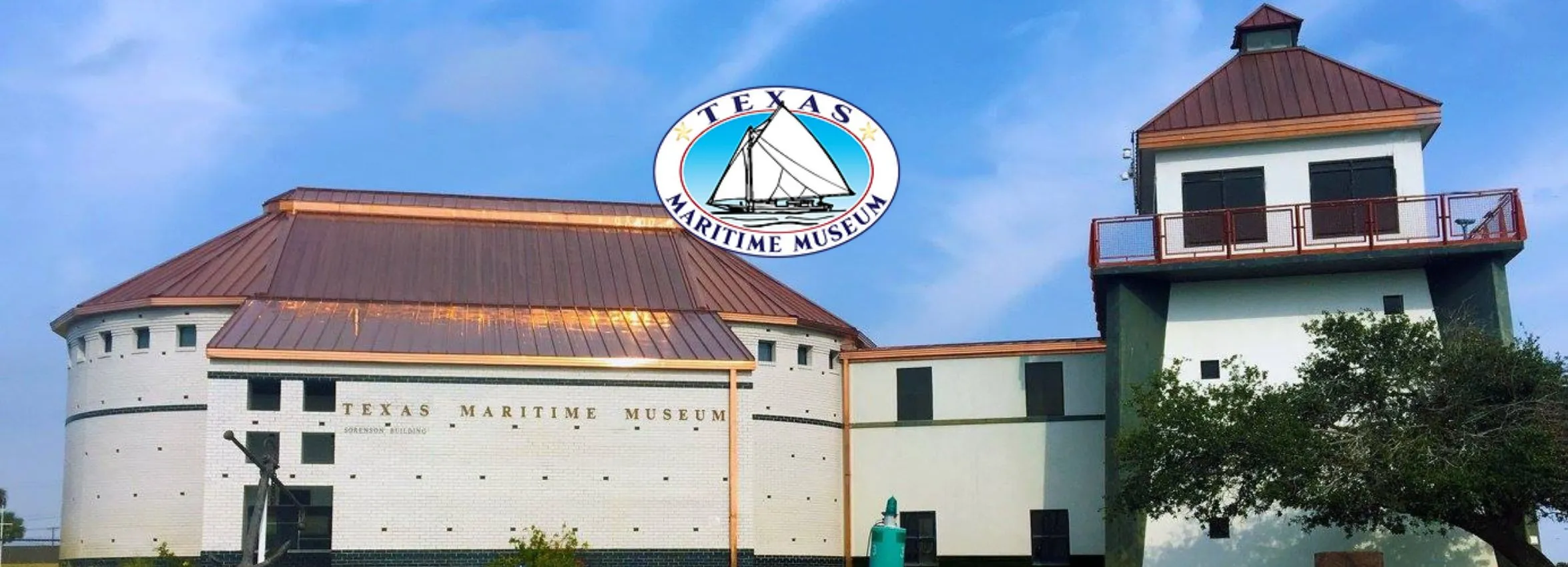
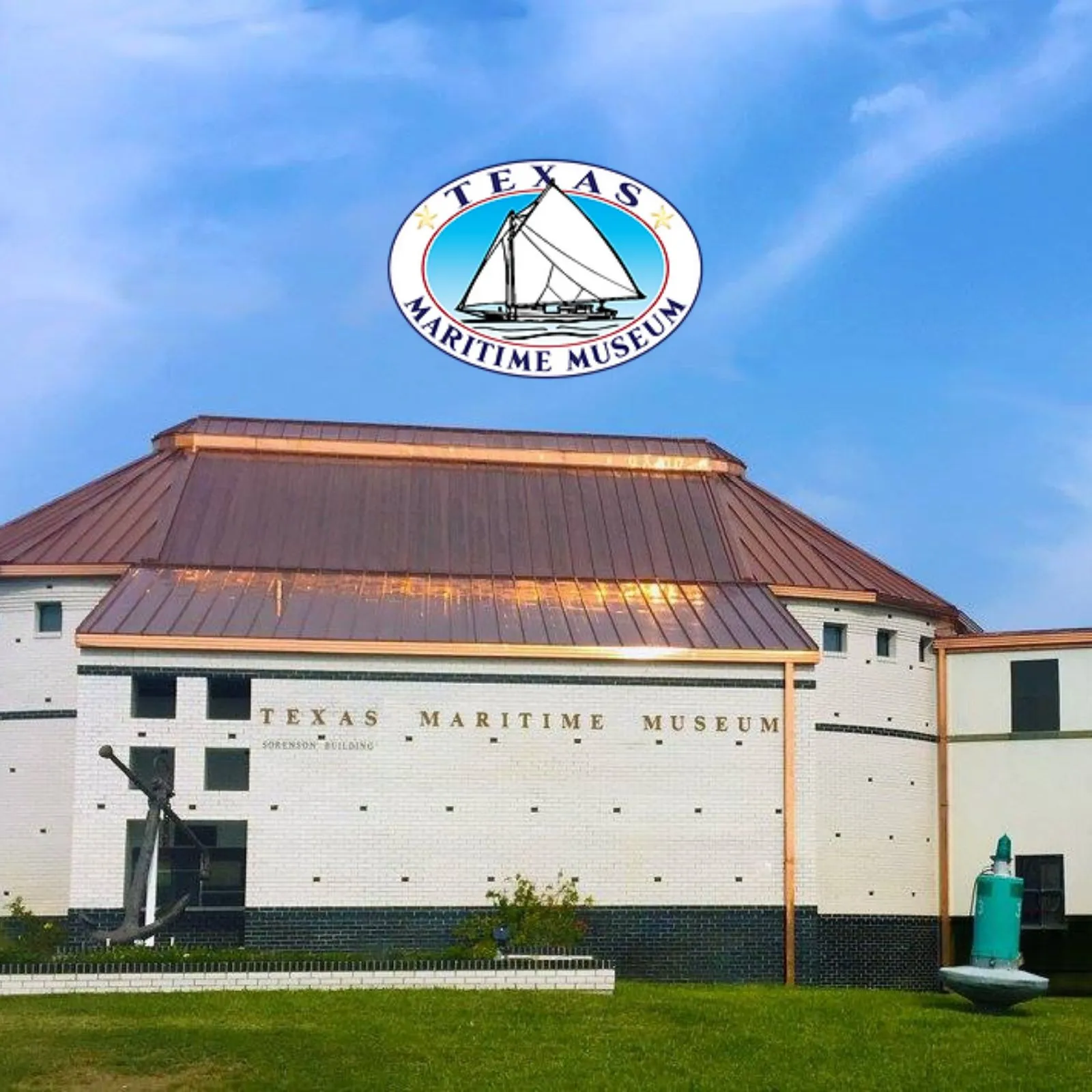
As Rockport modernized, it maintained a strong commitment to historical preservation. Structures like the Fulton Mansion, the Texas Maritime Museum, and the Hoopes-Smith House offer glimpses into the past while educating future generations.
Local schools, libraries, and historical societies play an active role in ensuring that Rockport’s story continues to be told. These institutions foster community pride and provide educational experiences for visitors and residents alike.
Today, Rockport is a resilient, thriving community that honors its past while embracing the future. With its revitalized downtown, robust arts scene, thriving tourism economy, and deeply rooted fishing culture, Rockport offers a unique blend of historic charm and coastal lifestyle.
From kayaking through its quiet bayous to strolling through its galleries or savoring fresh seafood at a dockside restaurant, every experience in Rockport is flavored by the depth of its history.