
Learn about the fascinating history of Mesquite Texas, from its early days to its development into a vibrant community.










Long before Mesquite was incorporated, the land that would become the city was part of the open Blackland Prairie, an area known for its fertile soil and rolling grasslands. Native American tribes, including the Caddo, Comanche, and Tonkawa, once lived, hunted, and traded here.
When settlers arrived in the mid-1800s, they were drawn to the area for its farming potential. Crops like cotton, corn, and wheat thrived in the nutrient-rich soil, making Mesquite an agricultural hub well before it became an official town.
Mesquite owes much of its early growth to the expansion of the Texas & Pacific Railway. In 1873, the railroad carved a path through the prairie, and a small settlement began to develop near the tracks.
The town was officially incorporated in 1887. Its name, “Mesquite,” came from the hardy mesquite trees dotting the Texas landscape, a fitting tribute to resilience and adaptability—traits the town itself embodied.
The railroad not only brought new settlers but also opened doors for commerce. Farmers could now ship their crops to larger markets, ensuring Mesquite’s survival and future growth.
In its early days, Mesquite was a tight-knit rural farming community. Families worked the land, children often helped with chores before heading to small schools, and the town revolved around the agricultural cycle.
Cotton was king, and Mesquite farmers depended heavily on this cash crop. General stores, blacksmith shops, and churches soon followed, giving the little town the basic framework of a thriving community.
Although small, Mesquite was a place where neighbors helped neighbors, and community spirit was as strong as the prairie wind.
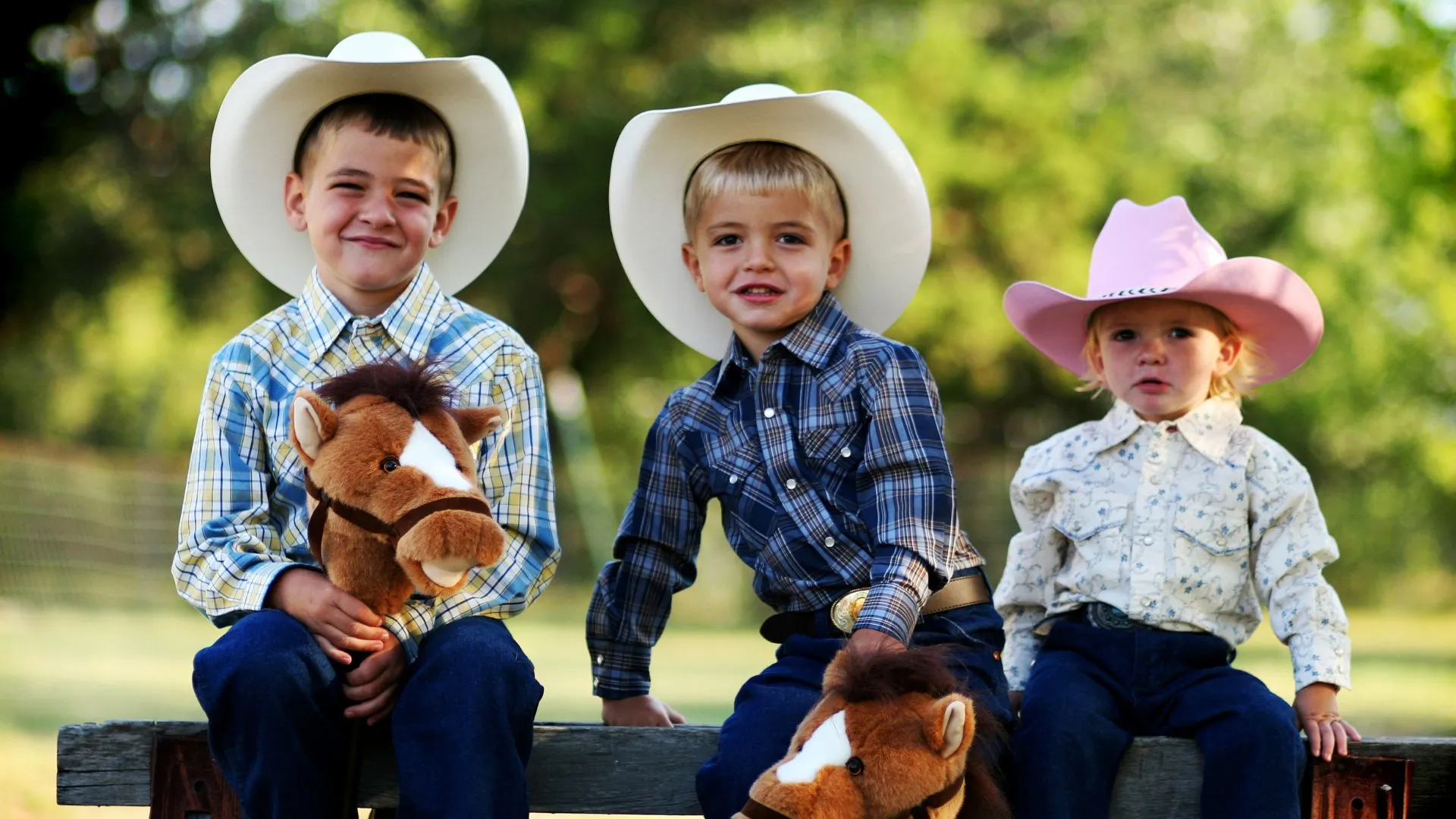
If there’s one thing Mesquite is famous for, it’s the rodeo. This tradition began in 1958 when legendary promoter Neal Gay founded the Mesquite Championship Rodeo.
What started as a local competition quickly grew into a nationally televised event, earning Mesquite the nickname “Rodeo Capital of Texas.” Cowboys from across the country came to compete, and fans flocked to the arena to watch the action.
The rodeo put Mesquite on the map, and to this day, it remains one of the city’s most enduring traditions, showcasing the community’s ties to Western heritage.
The 20th century brought enormous changes to Mesquite. In the early 1900s, electricity and paved roads began to transform life. By the mid-1900s, the city’s proximity to Dallas helped it grow rapidly as suburban development surged after World War II.
Families moved in seeking quiet neighborhoods with easy access to city jobs. Schools expanded, shopping centers were built, and Mesquite began to balance its rural roots with a more modern identity.
The Town East Mall, opened in 1971, became a landmark for shopping and economic development, drawing visitors from across the Dallas-Fort Worth metroplex.
Like many towns in Texas, Mesquite experienced its share of challenges during the Civil Rights Movement. Schools and public facilities went through desegregation, and the community worked—sometimes slowly—to adjust to a new era of equality.
Although not always easy, these changes helped shape Mesquite into a more inclusive city. Today, the city is home to a diverse population that reflects many cultural backgrounds, something that has become one of Mesquite’s greatest strengths.
A major part of Mesquite’s history is its dedication to education. The Mesquite Independent School District (MISD) was officially established in the early 1900s and has grown alongside the city.
From small, rural schoolhouses to a district serving tens of thousands of students today, MISD has played a critical role in shaping future generations. The district’s focus on academics, athletics, and community involvement reflects Mesquite’s broader values of hard work and togetherness.
While agriculture was Mesquite’s foundation, the city eventually expanded into industry, retail, and services. The growth of the Dallas-Fort Worth metroplex turned Mesquite into a prime location for businesses and families alike.
From manufacturing companies to logistics hubs, Mesquite diversified its economy in the latter half of the 20th century. The city government also invested in parks, infrastructure, and community programs, making Mesquite an attractive place to live and work.
Today, Mesquite continues to evolve with a balanced mix of heritage and progress.
Mesquite’s culture has always been deeply tied to community pride. Beyond the rodeo, the city hosts festivals, concerts, and family events that bring residents together year-round.
Historic landmarks like the Florence Ranch Homestead and the Opal Lawrence Historical Park preserve the stories of early settlers, while modern venues like the Mesquite Arts Center highlight the city’s creative side.
This balance of honoring the past while celebrating the present makes Mesquite a unique cultural destination in North Texas.
Faith has always played a strong role in the history of Mesquite. Churches were among the first community structures built, serving as both places of worship and centers for social life.
Generations of families in Mesquite have maintained traditions rooted in faith, family gatherings, and community support. Even as the city has grown, these values remain at the heart of what makes Mesquite feel like home.
Today, Mesquite is a city of over 150,000 residents, yet it hasn’t lost the small-town values that shaped its history. Its residents take pride in their schools, neighborhoods, and cultural traditions, making it more than just a suburb of Dallas—it’s a destination with its own identity.
The rodeo arena still draws crowds, the historic homes still tell stories, and the city continues to honor its roots while welcoming growth and diversity.
Understanding the history of Mesquite isn’t just about looking backward—it’s about seeing how the city became what it is today. From farming fields and railroad tracks to suburban neighborhoods and bustling shopping centers, every chapter tells the story of resilience and adaptation.
Mesquite is living proof that towns can grow, change, and modernize without losing their soul and identity. It’s a city where tradition and progress walk side by side.
The history of Mesquite, Texas is a story of transformation. What began as a small farming settlement along the Texas prairie has grown into a vibrant city known for its rodeo, cultural pride, and strong community spirit.
Mesquite’s journey from 19th-century railroad stop to modern suburban hub is a reminder of what makes Texas towns unique: resilience, diversity, and a deep connection to the land and people who shaped them.
Whether you’re visiting Mesquite for its legendary rodeo, exploring its historic landmarks, or calling it home, one thing is clear: the city’s history is alive in every corner, woven into its streets, neighborhoods, and traditions. And that legacy continues to guide Mesquite into the future.
Return to Mesquite Homepage